A family celebration dinner starts with a reason to gather, but a comfortable evening depends on the questions answered before the invitation goes out. Who is hosting? How many people are actually coming? Does the guest of honor want a quiet meal or a larger occasion? These decisions sound simple until several relatives begin making different assumptions. Before choosing decorations or announcing a menu, put the practical outline on one page. A clear outline gives the restaurant something useful to respond to and gives the family a plan it can understand.
Start with the occasion rather than the package. A birthday dinner, an anniversary, and a gathering after a graduation can have very different expectations even when the headcount is identical. Ask the guest of honor what would make the evening enjoyable and what they would prefer to avoid. Some people welcome a short toast but dislike a surprise speech or a room full of photographs. Confirming that preference early is more considerate than assuming that every celebration should follow the same formula.
Choose a realistic guest range before you contact the venue. Separate people who have accepted from those who have only been mentioned. If the number could change materially, explain the range instead of presenting an uncertain estimate as a final booking. Ask the restaurant when it needs a confirmed count and what happens if that count changes. Keep the answer with your planning notes. The invitation list, seating needs, and service arrangement should all refer to the same version of the guest count.
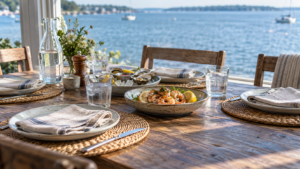
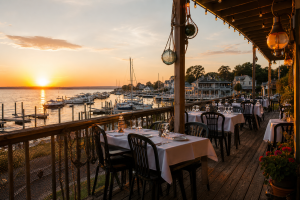
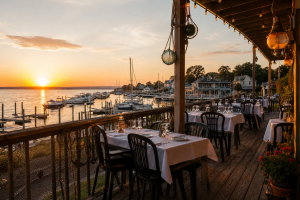
Sea Shore Restaurant and Marina publishes information about private celebrations and special events on City Island. Use that page to begin the conversation, not to assume a particular space is available on your chosen date. Ask which arrangement is appropriate for your actual group and occasion. A photograph can suggest an atmosphere, but it cannot confirm availability, privacy, layout, or the details of an individual booking. Get the restaurant’s current answers before describing the event to guests.
Decide how flexible the date can be. If the celebration must happen on one specific evening, say so at the start. If two or three dates would work, offer them together and let the restaurant explain the options. Do not collect deposits from relatives or order customized materials before the booking terms are understood. Keep a written record of the agreed date, time, space, and contact person. If an important detail is still being discussed, label it as pending rather than allowing the family to treat it as settled.
Ask what the meal arrangement includes and what remains a separate decision. Your group may be considering individual orders, a set selection, or another format the restaurant offers. Review the current menu for context, then discuss the actual event choices directly. Do not turn a public menu into a promised event package without confirmation. Ask how selections are finalized, when preferences are due, and which changes can still be made afterward. That process matters as much as choosing a favorite dish.
Collect dietary requirements privately and pass them to the appropriate restaurant contact with the guests’ knowledge. Avoid asking people to explain personal health information in a large family chat. A guest with a food allergy should discuss the specific requirement directly with staff rather than relying on an organizer’s interpretation. Ask how the venue wants those conversations handled and whether any requested accommodation can actually be provided. Never promise that a dish is suitable simply because its name sounds compatible with a restriction.
Accessibility is another conversation to have before invitations become commitments. Ask guests what they need instead of guessing from age or appearance. The relevant question may involve steps, walking distance, seating, or room to maneuver a mobility device. Bring the specific need to the restaurant and request a practical explanation of the available arrangement. Do not rely on a previous event, a review, or an image. Share the confirmed details with the guest so they can assess the plan themselves and raise any remaining concerns.
Set a budget boundary that the host can explain clearly. Ask for an itemized description of the proposed arrangement, including any applicable charges and the terms for changes or cancellation. Do not assume that another family’s total will predict yours. Group size, menu choices, drinks, timing, and event requirements can differ. If several people are contributing, decide privately who is responsible for the booking and how contributions will be handled. The restaurant should not have to resolve a disagreement between relatives about who approved an expense.
Clarify the role of speeches, cakes, decorations, and gifts before bringing them. A short toast may need no equipment, while a presentation could require arrangements that are not available. Ask about any outside items, setup time, storage, and cleanup expectations. Do not assume that an outside cake, special lighting, or a particular decoration is permitted. If the restaurant agrees to something, record the details accurately and share them with whoever is bringing it. A well meaning surprise should not create a problem for service or other diners.
Build a loose sequence for the evening rather than a minute by minute production schedule. Guests need to know when to arrive, when the main gathering begins, and whether there is a planned toast or other moment they should not miss. Share any firm departure constraints with the restaurant while planning. Ask what pace is practical for the chosen meal format. Leave space for conversation and ordinary delays. Trying to force a family dinner into an unrealistic timetable can make the host anxious and leave guests feeling hurried.
October travel and clothing plans benefit from a final weather check. The National Weather Service New York forecast and alerts can help guests prepare for the journey and any time outside. A forecast does not confirm an outdoor dining arrangement, and a waterfront location does not mean that every event takes place outdoors. Agree on the actual seating plan with the venue, including how any weather dependent request will be handled. Pass on the confirmed plan rather than an optimistic assumption.
Assign one person to communicate final changes. That person should have the current headcount, booking confirmation, and list of unresolved questions, while one backup contact knows where those records are. Ask relatives to send changes through that person rather than contacting staff independently with competing instructions. If a requested change cannot be accommodated, explain the available options honestly. Keeping one reliable version of the plan reduces confusion without preventing guests from speaking directly to staff about their own needs.
Send a concise final message a few days before the dinner. Include the destination, confirmed arrival time, name on the booking, and the organizer’s contact details in the private invitation. Explain anything guests need to decide in advance, but avoid forwarding a long planning conversation. Contact anyone who does not use the group chat separately. A guest should not have to scroll through several weeks of messages to discover where to go. If a detail changes afterward, send a clearly labeled update instead of quietly editing an old message.
At the venue, let the agreed contact handle the initial check in and any remaining coordination. Give the guest of honor room to enjoy the gathering rather than making them responsible for seating questions or last minute decisions. Respect staff guidance about walkways, furniture, and the use of the room. If something differs from your understanding, refer to the confirmation and discuss a practical adjustment calmly. The purpose of preparation is to make the occasion easier, not to create a script that nobody can adapt.
Plan the end of the gathering with the same care as the beginning. Decide who will collect gifts, decorations, and any personal items brought for the occasion. Confirm return rides with guests who need them, and avoid leaving one relative to discover that everything must fit in their car. If photographs will be shared afterward, respect anyone who prefers a private copy rather than a public post. Check the table and surrounding area before leaving so that the celebration does not end with a missing bag or a forgotten keepsake. A calm departure helps preserve the good feeling of the evening.
Before ending the planning conversation, confirm the details through Sea Shore’s published contact information and keep the response accessible. Check the date, party size, meal arrangement, access needs, host responsibilities, and any unresolved requests one final time. Then stop adding unnecessary complications. A successful family celebration does not need the most elaborate decorations or the longest program. It needs guests who know what to expect, a host who understands the arrangement, and enough room in the evening for people to enjoy being together.